Expedition to the Silver Peaks: A Zoology Department Study Tour
KULLU–MANALI- DELHI 2026
The Department of Zoology recently organized a comprehensive educational and recreational expedition to the Himalayan highlands. This journey was meticulously designed to bridge the gap between classroom theory and real-world ecological observation, while fostering a spirit of adventure and camaraderie among the participants.
Tour Overview
Participants- 49 Members (Students & Faculty)
Route: Nagpur – Delhi – Manali – Kullu – Delhi – Nagpur
The Journey Begins: From the Plains to the Peaks
Our expedition commenced with a train journey from Nagpur to Delhi. The transit served as an excellent ice-breaker, where students bonded over shared meals and games against the backdrop of the changing Indian landscape. Upon reaching the capital, we transitioned to luxury travelers for the winding ascent into the Himalayan foothills. The drive offered breathtaking views of deep valleys and the roaring Beas River, setting the stage for the cold climate ahead.
Day 1: Manali – Culture and Coniferous Ecology
Manali greeted us with crisp mountain air and a blanket of fresh snow. Our itinerary focused on both the spiritual and natural heritage of the region:
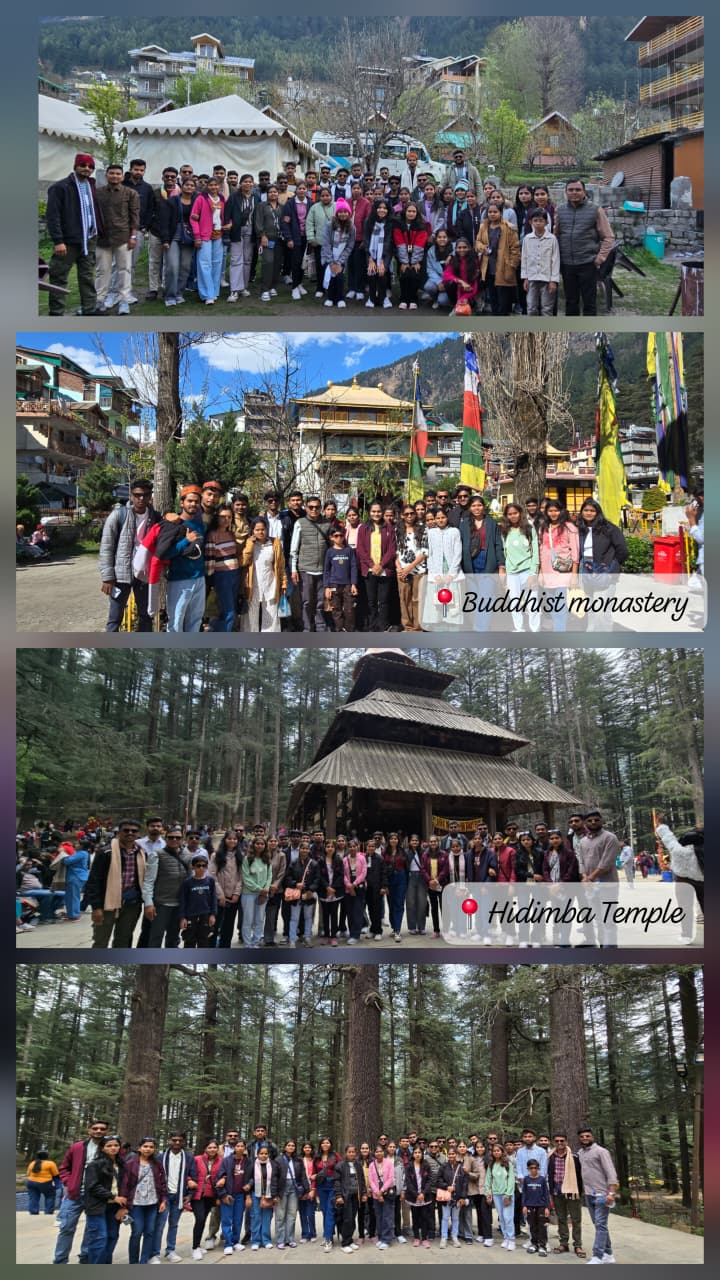
Hadimba Devi Temple: Nestled amidst ancient Deodar forests, this site allowed students to observe high-altitude flora and unique wooden architecture.
Manali Gompa: A serene Buddhist monastery where students gained insights into Tibetan cultural traditions and spiritual practices.
Mall Road Exploration: A vibrant hub where the group sampled local Himachali delicacies such as Siddu, Momos and Thupha, providing a literal taste of the local culture.
The Snow Experience: Fortune favored our group as we witnessed active snowfall. This wasn’t just a scenic delight; it was a firsthand look at the cryosphere and its impact on the local ecosystem.
Day 2: Engineering Marvels and Alpine Adventures
The second leg of the trip pushed us further into the mountains:
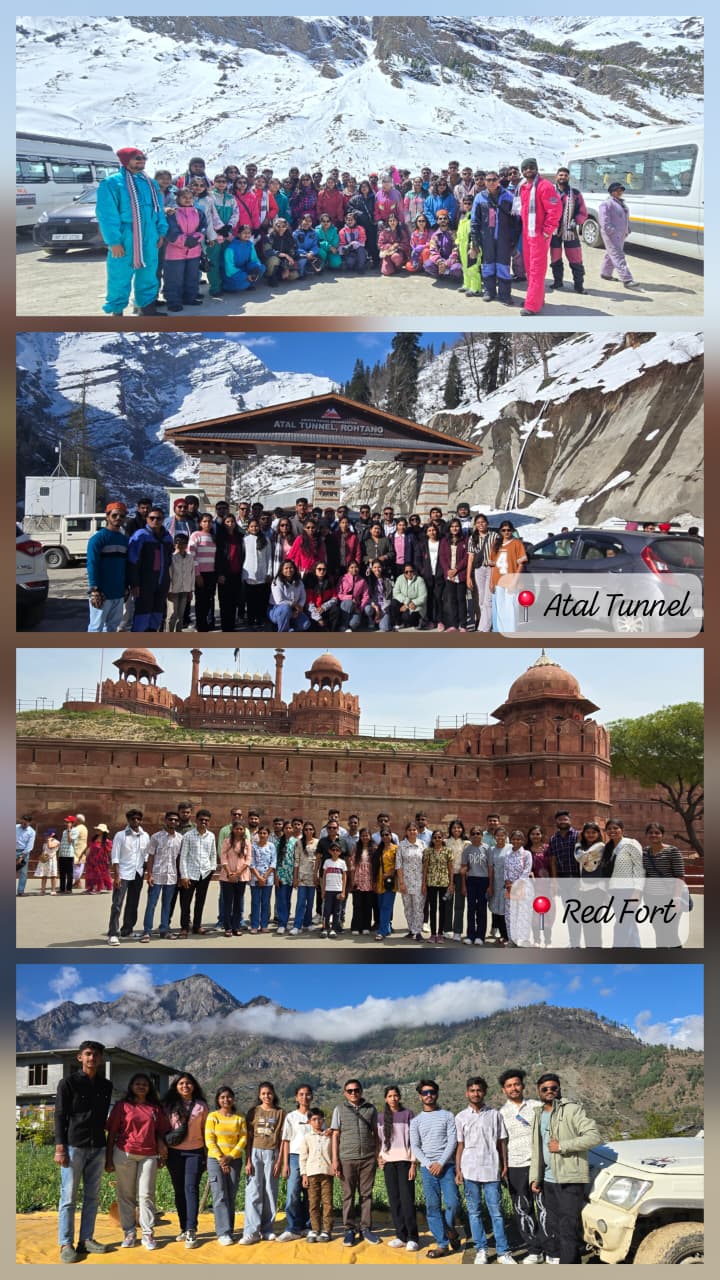
Atal Tunnel: Passing through this engineering marvel—one of the world’s longest highway tunnels—was a highlight, showcasing how modern infrastructure navigates rugged terrain.
Solang Valley: The valley served as our “outdoor classroom” for snow-based activities. Students engaged in mountain treks and snow games, experiencing the physical challenges of high-altitude environments.
Day 3: Kullu – Overcoming Fears
In Kullu, the focus shifted to adrenaline and spiritual peace:
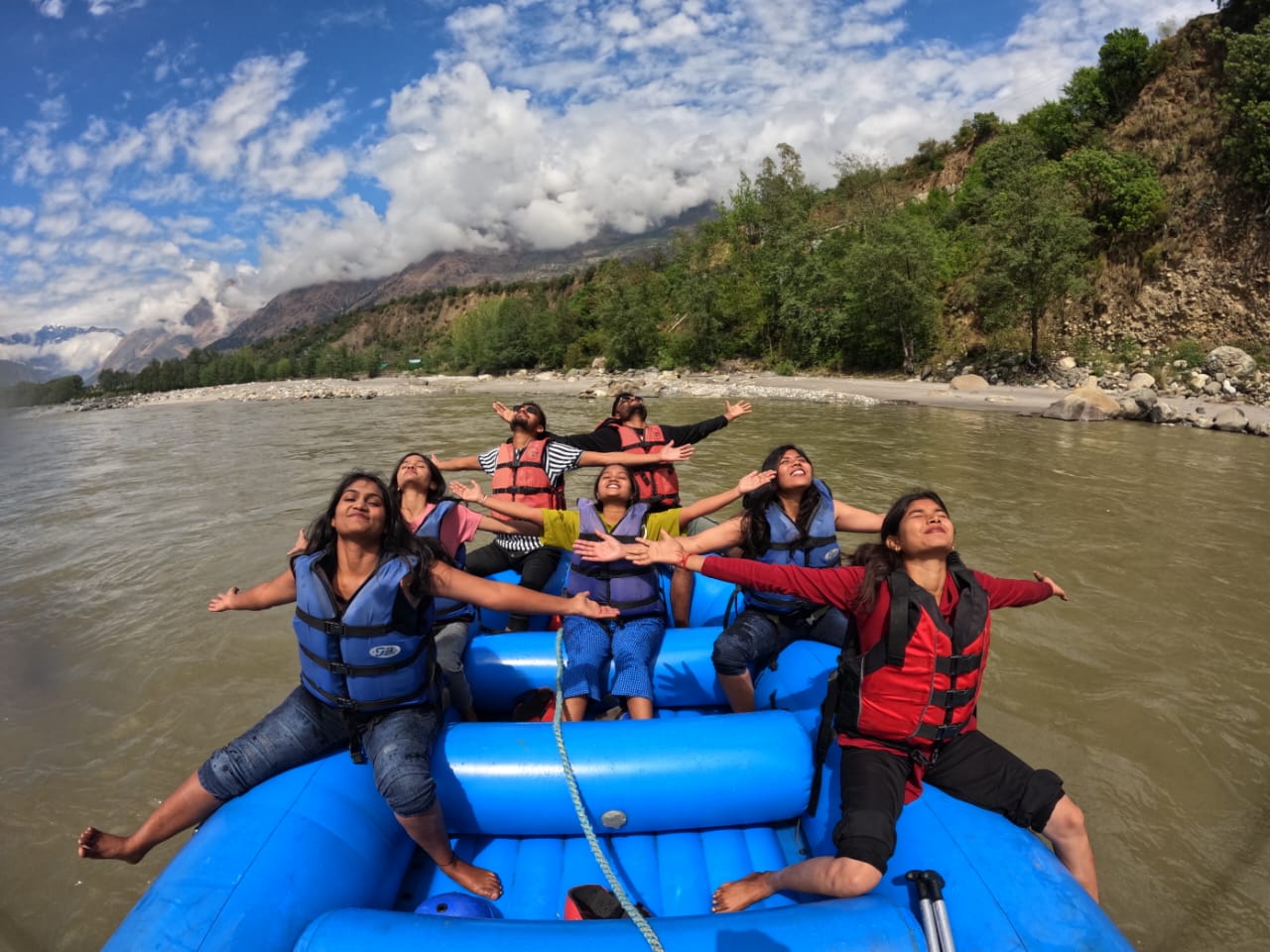
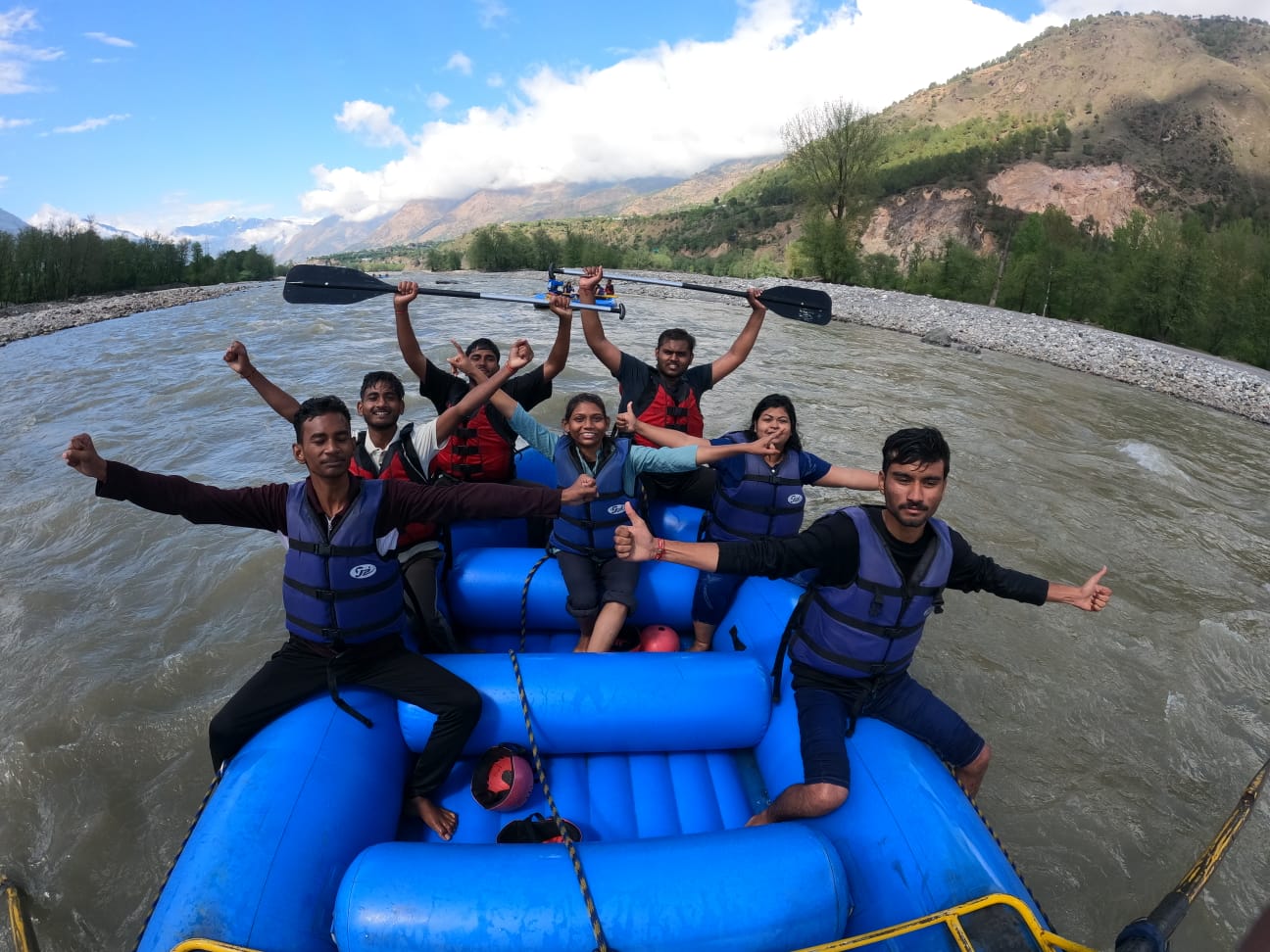
River Rafting:Navigating the icy rapids of the Beas River taught us teamwork and resilience.
Paragliding: Seeing the valley from a bird’s-eye view was a transformative experience for many, helping students overcome heights and build self-confidence.
Vaishno Mata Temple: A peaceful visit that offered a moment of reflection and spiritual rejuvenation before our return journey.
Day 4: Historical Immersion in Delhi
Before returning to Nagpur, we explored the historical heart of India. Visits to the Red Fort and the bustling lanes of Chandni Chowk provided a stark contrast to the quiet mountains, offering a deep dive into India’s Mughal history and architectural brilliance.
Chandni Chowk is famous for having four major places of worship from different religions standing almost side-by-side on the same main street. This stretch is often cited as a symbol of India’s secularism.
1. Sri Digambar Jain Lal Mandir (Temple)
Located directly opposite the Red Fort at the start of Chandni Chowk. It is the oldest Jain temple in Delhi, built primarily of red sandstone. It also houses a famous Avian Veterinary Hospital (Bird Hospital).
2. Gurudwara Sis Ganj Sahib (Gurudwara)
Located a short walk down the main road from the Jain Temple. It marks the site where the ninth Sikh Guru, Guru Tegh Bahadur, was martyred in 1675. It is one of the most significant Sikh pilgrimage sites in the city.
3. Sunehri Masjid (Mosque)
Situated immediately adjacent to the Gurudwara Sis Ganj Sahib. This “Golden Mosque” was built in 1721 and is known for its three gilded domes. Historically, it is where the Persian invader Nadir Shah sat while he ordered the plunder of Delhi.
4. Central Baptist Church (Church)
The Central Baptist Church is also located on this same line, just past the Gurudwara. Built in 1814, it is one of the oldest churches in North India